The new La Pedrera website is more than a visual redesign. It is a strategic digital platform created to communicate culture globally from one of Barcelona’s best-known heritage sites.
The objective was to provide an accessible, coherent and search-ready experience for international visitors while respecting the cultural complexity and value of the content. From the outset, this was a large-scale website localisation project covering nine languages, diverse markets and a technically complex content platform.
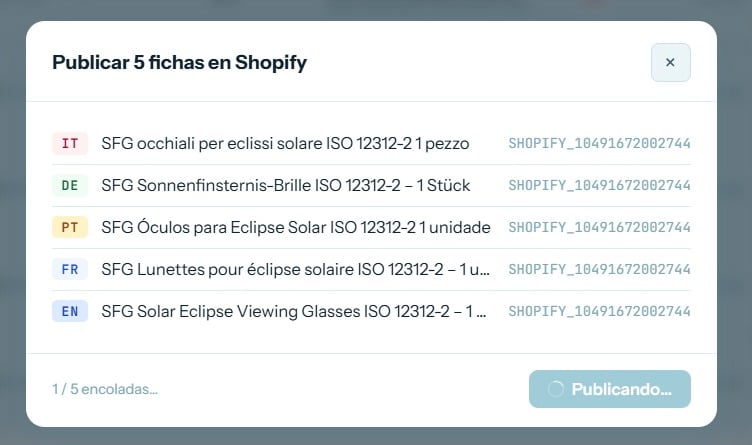
Multilingual website localisation built into the project
A key factor was treating localisation as part of the digital architecture from the early development stages. Ontranslation led the language strategy, professional translation and market adaptation while coordinating with the technical requirements of the new website.
This approach allowed terminology, cultural adaptation, multilingual SEO and content operations to be planned together. For an international cultural institution, those decisions directly affect user experience, discoverability and the credibility of every language version.

The challenge: nine languages, international SEO and a custom CMS
The project combined several demanding factors:
- nine target languages, including European and Asian markets and non-Latin writing systems;
- cultural and editorial content requiring precise, consistent terminology;
- client-approved search keywords for selected markets;
- a non-standard CMS that could not use a conventional website-translation workflow;
- large volumes of corporate and blog content;
- coordination between language, SEO and development teams.
Uploading content manually, page by page and language by language, would have introduced delays and unnecessary risk. The workflow needed to scale without weakening linguistic control.
The solution: scalable localisation engineering
Ontranslation designed a process that automated technical operations while keeping translation and cultural quality under professional control.
Structured multilingual files
Content was organised mainly in XML and Excel files prepared for translation memories and professional CAT tools. This made it possible to process large volumes consistently, even though the CMS itself did not support a standard localisation connector.
Translation memories and terminology control
Reusable content was matched through translation memories, while approved terminology was managed across all nine languages. This reduced duplication, improved consistency and supported a coherent visitor experience throughout the corporate site and blog.
Market-specific SEO alignment
For markets where the client had defined priority keywords, translators aligned natural target-language copy with those search requirements. Keyword use was handled as part of localisation rather than inserted after translation, helping preserve meaning and readability.
Technical coordination
The language workflow was designed together with the team responsible for the CMS and final content import. Clear file structures, identifiers and validation steps allowed multilingual content to move reliably between translation tools and the custom platform.
Content and international scope
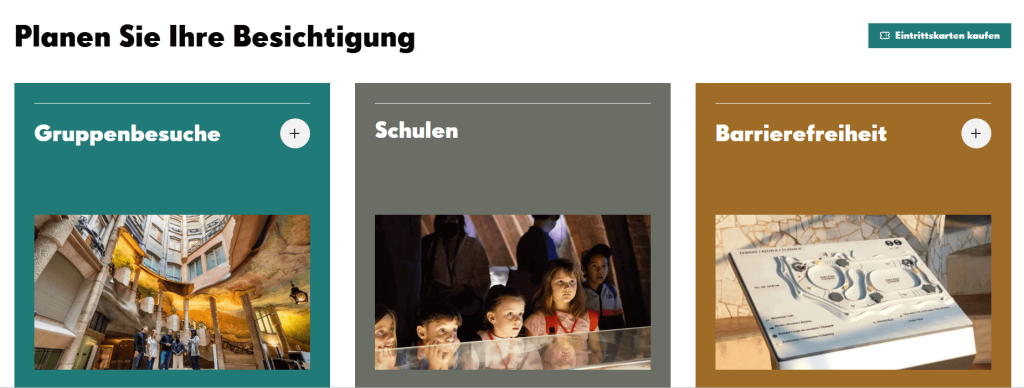
The project covered the corporate website and editorial blog, with the level of SEO optimisation adapted to each market and content type. This avoided a generic one-size-fits-all process and allowed the team to prioritise the languages with the greatest international search opportunity.
Informational and editorial pages retained La Pedrera’s cultural identity while becoming clear and useful for visitors with different linguistic and cultural backgrounds.
The result: a cultural website ready for global audiences
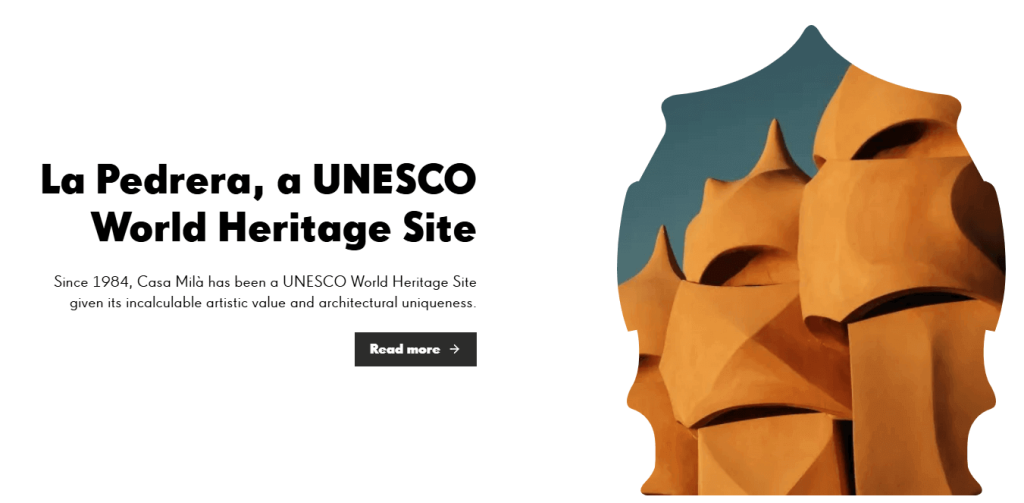
The result is a robust, consistent and scalable nine-language website that communicates La Pedrera’s cultural value to visitors around the world. The project shows that a custom CMS and complex technical environment do not prevent professional multilingual delivery when localisation engineering is planned from the start.
Its central lesson is practical: for international cultural projects, language, technology and search strategy must share the same operating model. That is what allows a website to travel without losing its identity.
Planning a complex multilingual website?
Ontranslation supports website localisation across standard and custom CMS environments, including structured-file workflows, translation memories, terminology and international search requirements. Explore our translation services for organisations, SEO translation service and WordPress localisation with WPML.